The Best Tool Chest for Your Garage: A Full Buying Guide
The best tool chest is one that fits your tools, workspace and routine. Choose a rolling drawer chest for fixed garage storage, a stackable system for portable work, or a compact carry box for a small tool set.
On this page (8 sections)
- Which type of tool chest fits your garage?
- What should you check before buying a tool chest?
- Which tool chest suits each kind of buyer?
- How do you choose the right drawer setup?
- Should you choose wheels, a work top or portability?
- How do you compare tool chest sizes and storage?
- How can you keep tools from shifting in a tool chest?
- What is the best tool chest for your garage?
The best tool chest for your garage is the one that fits your tools, work area and routine. A rolling drawer chest suits a fixed workspace, a stackable system works when tools need to travel, and a portable box can be enough for a smaller collection.
Start by listing the tools you own and grouping them by type or task. Then measure the storage area, access route and room needed to open drawers or lift a toolbox.
This guide explains the main tool chest styles, what to check before buying, and how four options fit different garage needs. For a definition of the main parts and types, see what a tool chest is.
Which type of tool chest fits your garage?
Choose a tool chest style based on where your tools live and how often you move them. Drawer cabinets, modular systems and portable boxes solve different storage problems.
| Style | Works well when | Check before choosing |
|---|---|---|
| Rolling drawer chest | Tools stay near a garage work area | Footprint, drawer sizes and wheel locks |
| Stackable rolling system | You carry tools between work areas | How the pieces connect and what each holds |
| Portable drawer box | You need a compact set you can carry | Weight, handle and space for your tools |
| Chest and cabinet combination | You want drawers plus enclosed space | Overall dimensions and how storage is divided |
A larger chest can hold more kinds of tools, but it also takes up more room and may be harder to reposition. A compact box is easier to carry, but it may not replace a cabinet for a growing collection.
If you’re deciding between a chest and a larger cabinet, read tool chest vs tool cabinet. The distinction can help you decide whether you need portable storage, a work surface, or both.
What should you check before buying a tool chest?
Check dimensions, storage layout, mobility and access before settling on a tool chest. These details show whether it can fit your tools and work area.
How much space does the tool chest need?
Measure the cabinet’s full footprint and height, then compare them with the proposed spot. Also check the route from the door, including the narrowest doorway and any turns.
Leave enough room for drawers to open and for you to stand in front of them. If the chest has a detachable top or extension, account for the parts you plan to use.
Will the drawers fit your tools?
Tool count doesn’t tell you whether tools will fit. Measure your longest wrenches, largest hand tools and any power tools, then compare those sizes with the drawer or cabinet openings.
Look for a mix of drawer sizes if your tools vary. Deep storage can help with larger gear, while shallow drawers can make small parts easier to find.
How will you move and secure it?
Wheels suit a cabinet that needs to move around a garage, but they need a stable place to stop. Check whether the wheels have brakes and how the drawers stay closed while the chest is rolling.
For portable systems, consider how the parts connect and how you’ll carry them when loaded. A handle, side grips or a telescoping handle may make moving the system easier.
Can you organize the interior?
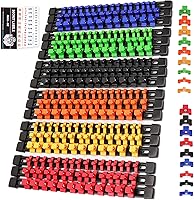
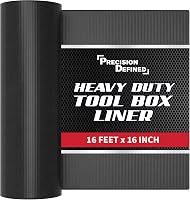
A useful chest gives each tool group a place you can keep consistent. Drawer liners, trays, hooks and organizers can help separate tools and reduce shifting.
Before buying extra organizers, sort your tools and measure the drawer space. Our guides show how to organize sockets and how to set up tool chest drawers.
Which tool chest suits each kind of buyer?
The four options below cover a garage cabinet, a modular rolling system, a larger work chest and a compact carry box. Match the storage style to your tool collection, then check the product dimensions against your own space.
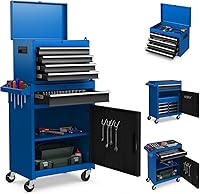
Goplus 5-Drawer Rolling Tool Chest with Detachable Top
The Goplus combines a five-drawer rolling chest with a detachable top toolbox, giving you the option to use the two pieces together or separately. Its overall dimensions are 23.5 x 11 x 40 in.
Two of its four wheels have brakes. A locking bar helps keep the drawers and cabinet door closed while the chest rolls, and the drawer liners cushion tools.
The adjustable or removable bottom shelf can accommodate tools of different sizes. Hooks on the cabinet door and six tool holes in the side handle add places for smaller tools.
Consider it if you want a rolling cabinet with a detachable top box. Measure its narrow 11 in width and 40 in height against the storage area, and check that there’s enough room to move the chest where you work.
Keter Stack-N-Roll 3-Piece Rolling Tool Box
The Keter is a three-piece modular system made up of a cart, toolbox and parts organizer. The pieces interlock, so you can move a connected set and store the components together.
It has a telescopic metal handle, 7 in wheels and side grips. The small-parts organizer has a transparent polycarbonate lid, which lets you see its contents without opening it.
Consider it if you want tools organized in connected pieces that can roll together.
It measures 16.18 x 20.66 x 27.32 in. Check that its resin construction and component layout suit how you plan to load and move your tools.
WORKPRO 52-Inch 5-Drawer Rolling Tool Chest
The WORKPRO chest pairs five drawers with a cabinet door and adjustable shelf, along with a solid wood work top. Its dimensions are 21.6 x 58.6 x 38.3 in, so plan for a broad, heavy cabinet.
It has four swivel casters with brakes, side handles and a locking system for the drawers and door. The chest also includes a power strip with six outlets and two USB ports.
This unit ships in two packages and requires self-assembly. Consider it if you want storage and a work surface in one large chest, and have enough room for its width and 187.4 lb weight.
BIG RED 3-Drawer Portable Metal Tool Box
The BIG RED is a portable steel box with three drawers and a top box. It measures 20.5 x 8.6 x 12 in and has a top handle for carrying.
The drawers have ball-bearing slides and EVA liners. Two steel latches secure the box, and closing the top lid locks the drawers for carrying.
Consider it for a smaller collection you want to carry between work areas. Its maximum weight recommendation is 16 lb, so compare that limit with the weight of your tools before packing it.
How do you choose the right drawer setup?
Choose a drawer layout that keeps frequently used tools easy to reach and gives larger tools enough space. Organize by task or tool type so you can find a set without searching several drawers.
Start with a simple map: daily tools in the easiest-to-reach drawers, less-used tools in lower or less accessible spaces, and parts grouped in trays. Keep each group together, such as sockets with their ratchet or wrenches arranged by size.
For a more detailed plan, see the best way to organize wrenches in a tool chest drawer. If you’re setting up a rolling box, how to set up a rolling tool box walks through a practical starting layout.
Don’t fill every space just because it’s available. Leave room to return tools to their assigned place, and recheck the layout when your tool collection changes.
Should you choose wheels, a work top or portability?
Choose wheels if you need to move a loaded chest around one work area, a work top if you want a surface for small tasks, and a portable box if you carry tools elsewhere. A feature helps only when it matches your routine.
Brakes can hold a rolling chest in place while you work. A locking bar or lid lock can help keep drawers shut during movement, but these features don’t replace securing tools for transport.
A wood work top adds a surface, while a built-in power strip can keep outlets close to the work area. Check the chest dimensions and power cord reach against your setup.
If you regularly move tools between rooms or projects, a modular system may be easier to handle than one large cabinet. Our rolling tool box organization ideas can help you think through what to keep together.
How do you compare tool chest sizes and storage?
Compare the full outside dimensions and usable storage layout, not just drawer count or the word “large.” A chest needs to fit the spot and give your tools a place that’s practical to use.
The options in this guide range from a 20.5 in portable box to a 58.6 in wide rolling cabinet. That difference affects how much floor space each one takes and how you’ll move it.
| Option | Storage style | Outside dimensions |
|---|---|---|
| Goplus | Rolling chest with detachable top toolbox | 23.5 x 11 x 40 in |
| Keter | Three-piece interlocking system | 16.18 x 20.66 x 27.32 in |
| WORKPRO | Rolling chest with work top and cabinet door | 21.6 x 58.6 x 38.3 in |
| BIG RED | Portable box with three drawers and top box | 20.5 x 8.6 x 12 in |
Dimensions alone don’t show whether your tools fit inside. Measure the largest items and check drawer openings or storage compartments where available.
Before ordering, use painter’s tape or cardboard to mark the chest’s footprint. Stand in front of the outline and check whether drawers, doors and nearby equipment can open without blocking your path.
How can you keep tools from shifting in a tool chest?
Use drawer liners, organizers and a consistent layout to reduce tool movement and make storage easier to maintain. Keep heavy tools stable and avoid overfilling a drawer.
Place similar tools together and use trays for small parts. If your chest has a locking bar, lid lock or drawer lock, close it before moving the unit.
Check the layout after a few work sessions. If tools regularly end up in the wrong place, make the assigned spot easier to reach or change the grouping.
What is the best tool chest for your garage?
Pick a rolling drawer chest if your tools stay in a garage workspace, a modular system if you move tools between tasks, or a portable box if you need to carry a compact set. Measure your space and tools before deciding.
The Goplus offers a detachable top box with a rolling chest, the Keter connects three storage pieces, the WORKPRO adds a work top and cabinet door, and the BIG RED is a compact carry box. For more options focused on home storage, see the best tool chests for a home garage workshop.
Frequently asked questions
What is the best tool chest for a home garage?
The best tool chest for a home garage depends on your tool collection and available space. A rolling drawer chest suits tools that stay in one work area, while a stackable system helps if you carry tools between rooms or jobs.
Measure the spot, route and storage needs before choosing.
How many drawers should a tool chest have?
Choose enough drawers to separate the tools you use often from larger or less-used gear. Count your tool groups, then check drawer dimensions and depths against the largest items.
A drawer count alone does not tell you how much useful storage a chest provides.
Is a rolling tool chest better than a portable toolbox?
A rolling tool chest is useful when you want to store and move tools around one garage or shop. A portable toolbox is easier to carry to another room or vehicle, but may hold fewer tools.
Choose based on where you work and how often your tools need to travel.
What should I measure before buying a tool chest?
Measure the floor space, the narrowest part of the delivery route and the height available where the chest will sit. Leave room to open drawers and move around it.
Compare the measurements with the chest's full dimensions, including handles or other parts that extend from the cabinet.
How do I keep tools organized in a tool chest?
Group tools by task or type, then give each group a drawer or defined area. Keep frequently used tools easy to reach and use liners or organizers to limit movement.
Check the fit of long tools and socket sets before assigning them a drawer.