How to Set Up a Rolling Tool Box
Set up a rolling tool box by sorting tools by task, placing heavy tools low, and giving small parts fixed, labeled spots. Load it in stages, then check drawer access and stability before moving it.
On this page (7 sections)
Set up a rolling tool box by sorting tools into work zones, placing heavy items low, and giving small parts labeled homes. Load only what you use, then check that drawers open freely and the box stays stable when moved.
Start with a clear surface and gather the tools you plan to store. If you are still deciding on a box, our full tool chest buying guide explains the main storage choices.
How do you set up a tool box before loading it?
Begin by sorting tools into groups that match your work, such as measuring, fastening, cutting, electrical repairs and vehicle maintenance. Keep only tools that belong in this box, and set duplicates or rarely used items aside.
A quick inventory prevents you from arranging drawers around clutter. Make a short list of the tools you reach for most often and the small parts that tend to get lost.
How to set up a tool box around your work
Choose zones based on the jobs you actually do. If you maintain a car, keep the tools used together near one another; for general home repairs, separate measuring and marking tools from fastening and cutting tools.
Group related tools together, but leave room to return each item without forcing it into a tight space. A layout that is easy to put back is more likely to stay organized.
Decide which items need protection from dust or from mixing with other parts. Keep sharp tools covered or in a dedicated area, and store items with moving parts so they cannot snag neighboring tools.
Where should tools go in a rolling box?
Put heavy tools in the bottom section, frequently used tools where you can reach them without shifting other items, and small parts in divided containers. Keep the load balanced from side to side.
| Box area | Good fit | Setup tip |
|---|---|---|
| Bottom or lowest drawer | Heavy tools and larger cases | Spread weight across the base |
| Middle drawers | Common hand tools and task groups | Use dividers to separate types |
| Top drawer or top section | Frequently used, lighter tools | Keep the most-used items near the front |
| Small-part organizer | Screws, bits, washers and fittings | Label compartments by type or size |
This is a starting layout, not a fixed rule for every box. Check the box's stated capacity and follow its instructions for loading, stacking and moving.
How to set up a tool box drawer by drawer
Give each drawer one clear purpose. A drawer for wrenches, another for pliers and cutters, and one for measuring tools is easier to scan than a mixed drawer filled with loose items.
Use a fitted tray or divider to stop tools from sliding when the box moves. Keep handles facing the same direction where practical, so you can see tool sizes at a glance.
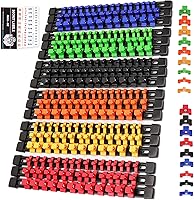
If wrenches are a large part of your kit, see our guide on how to organize wrenches in a tool chest drawer. For sockets and extensions, our socket organization guide covers ways to keep sets together.
How do you organize small parts and accessories?
Separate small parts by type and size, then assign each group a visible, labeled compartment. This keeps common fasteners and accessories from blending into one hard-to-search pile.
A divided drawer box can work for screws, nuts, bolts and small power tool accessories. The Keter Stack-N-Roll 2-Drawer Small Parts Box has removable dividers and full-opening drawers, which can help keep categories separate.
For a shallow organizer with removable compartments, the DeWalt TSTAK Small Parts Organizer has a clear lid and seven compartments. Use it for parts you want to identify without opening each section.
Modular trays offer another way to fit compartments around the tools already in a drawer. The FLYVOLE Tool Box Organizer Tray Set includes trays in graduated sizes that can be used separately or interlocked.
Use labels that make sense to you, such as “wood screws,” “driver bits” or “electrical connectors.” If a compartment holds mixed items, split it before the mix grows and slows down future jobs.
For a broader drawer layout, read how to organize tool chest drawers so tools stay put.
What belongs in the main rolling box?
Keep the main box focused on tools you use often or need together. Bulky equipment, spare hardware and seasonal items can go in separate storage if they make the rolling box difficult to close or move.
A rolling box with a telescopic handle can help move tools between work areas. The DeWalt Rolling Tool Box with Telescopic Handle has 7-inch wheels, a push-button telescopic handle and stacking latches for other TSTAK units.
Think about where you will roll the box. Store items that you use at a workbench in the box’s main area, and keep a compact set of frequently needed tools near the top or in an easy-to-carry organizer.
How do you keep tools in place while rolling?
Use trays, dividers or compartments to stop tools from sliding, and close every drawer and latch before moving the box. A loose load can shift, make tools harder to find or affect balance.
Load a few items at a time and roll the box a short distance on a clear surface. Listen for rattling, then check for tools that moved or drawers that no longer close smoothly.
If a unit is designed to stack with others, connect it as intended and keep the heaviest section at the bottom. Our rolling tool box organization ideas include more ways to divide tools and supplies by use.
How should you check the setup?
A good setup lets you find, remove and return tools without unloading other groups. Test the arrangement with a typical job before treating it as finished.
- Open each drawer fully and check that tools do not block the slides or handles.
- Lift out common tools without shifting unrelated items.
- Close drawers and lids, then secure latches before moving the box.
- Roll it over the surface where you normally work and check for shifting or rattling.
- Rebalance the load if the box feels unstable or hard to steer.
- Update labels when you change a drawer’s purpose.
Keep the setup flexible. If a tool repeatedly ends up in the wrong place, move its zone closer to where you use it or give it a clearer label.
What is the best way to set up a tool box?
The best setup is one that matches your work and makes every tool easy to return. Keep heavy items low, frequently used tools accessible, and small parts separated in labeled compartments.
Choose task-based zones if you use groups of tools together, or type-based drawers if you often search for a particular tool size. For more layout ideas, see our guide to rolling tool box organization.
Frequently asked questions
How do I set up a tool box for the first time?
Start by removing tools you do not use, then group the rest by task or type. Assign each group a drawer or container, put heavy tools low, and keep frequent-use items easy to reach.
Label zones, load the box, and check that drawers close and the box rolls steadily.
Where should heavy tools go in a rolling tool box?
Put heavier tools in the lowest storage area to keep weight low and reduce the chance of a top-heavy box tipping. Keep the load within the box's stated limits, distribute weight across the base, and secure loose tools before rolling it over uneven ground.
How should I organize small parts in a tool box?
Separate small parts by type and size, then put each group in a divided organizer or shallow tray. Label compartments so screws, nuts, washers and bits return to the same place.
Avoid filling containers beyond what you can lift and carry safely.
Should I organize tools by size or by job?
Organize by the way you reach for tools. Use task-based zones if you often do the same repairs, or group by type and size if you need to compare matching tools quickly.
Keep shared tools in a central area and label any group that could be mistaken for another.
How do I keep tools from moving in a rolling tool box?
Use fitted trays or dividers, close each drawer fully, and secure any stackable units as their systems require. Leave room to close lids and drawers without forcing them.
Before rolling, check for loose parts, an uneven load or tools that could shift into a drawer track.