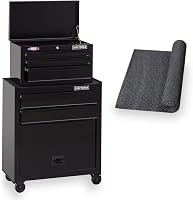
How Much Does a Snap-on Tool Chest Cost?
A new Snap-on tool chest usually runs from about 2,000 dollars for a small bottom cabinet to well over 10,000 dollars for a large, multi-bay roller cabinet. Most home garage buyers land in the 3,000 dollars to 6,000 dollars range for a mid-size box, and the exact cost depends on width, drawer count, drawer rating, and where you buy it.
On this page (10 sections)
- What are the typical Snap-on tool chest price tiers?
- Why does a Snap-on tool chest cost more than other brands?
- How much should you spend for a home garage?
- What features drive the cost of a tool chest?
- How do mainstream tool chests compare on price and features?
- Is a used Snap-on tool chest a better buy?
- Does the type of tool storage change the cost?
- How do you judge whether the cost is worth it?
- Who makes the mainstream boxes you're comparing?
- What should you budget before you shop?
How much does a Snap-on tool chest cost? A new Snap-on box typically starts around 2,000 dollars for a small bottom cabinet and climbs past 10,000 dollars for a large roller cabinet or a multi-bay setup.
A mid-size chest for a home garage usually falls in the 3,000 dollars to 6,000 dollars band.
That's the short answer. The rest of this guide breaks down the tiers, what pushes the number up, and when the premium is worth paying versus when a mainstream steel box does the job.
What are the typical Snap-on tool chest price tiers?
Snap-on boxes come in three rough tiers: small bottom cabinets from about 2,000 dollars, mid-size roller cabinets from about 3,000 dollars to 6,000 dollars, and large multi-bay units above 6,000 dollars. The jump between tiers is mostly width and drawer count.
A small cabinet is a starter box. It holds a few hundred tools in six to eight drawers and fits a tight garage bay.
The mid tier adds width, a top chest option, and heavier drawer slides. The top tier is built for a shop that stores power tools and specialty equipment in one unit, often with a work top and a side cabinet.
Used boxes change the math. A clean, older Snap-on cabinet often sells for less than a new mid-range box from another brand.
Condition matters more than age here, so open every drawer and check the slides before you buy.
Why does a Snap-on tool chest cost more than other brands?
Snap-on prices high because it targets professional technicians, sells through its own dealer network, and builds boxes to survive daily shop use. You're paying for steel gauge, drawer load ratings, the lock system, and dealer support.
The steel is the core of it. Professional boxes use heavier gauge steel in the frame and drawers, which resists flex when a drawer is pulled out fully loaded.
That weight shows up in the price.
The dealer model matters too. Snap-on sells largely through route trucks and dealers who visit shops, so the price includes service and warranty handling that a big-box retailer doesn't offer.
For a technician, that's part of the value. For a home garage, it's often overhead you don't need.
How much should you spend for a home garage?
For a home garage, a mainstream steel box in the 400 dollars to 1,200 dollars range covers the same storage needs as a Snap-on box. Spend the premium only if the box sees daily professional use.
Mainstream brands now build boxes with ball-bearing slides, powder-coated steel, locking drawers, and swivel casters. That's the feature set a home garage actually uses.
The difference is drawer load rating and long-term wear, not whether the drawers open.
If you work on cars every weekend and keep a growing tool collection, a mid-range box is the sensible first purchase. If you're a working technician, the pro box pays back over years of daily use.
Our guide to what a tool chest is and how its parts work helps you compare drawer count and cabinet size before you spend.
What features drive the cost of a tool chest?
Width, drawer count, drawer load rating, steel gauge, the lock system, and the caster set are the main cost drivers. Two boxes of the same width can differ by thousands of dollars on these details.
A wider cabinet needs more steel and heavier casters to stay stable. More drawers means more slides, and heavier-rated slides cost more.
A keyed locking system that secures every drawer adds cost over a simple latch.
Casters matter more than people expect. A box that carries 1,000 lb or more needs casters rated for that load, and those aren't cheap.
That's part of why professional boxes cost more than their size suggests.
How do mainstream tool chests compare on price and features?
Mainstream boxes give you the same core features at a fraction of the cost, and the specs are easy to check before you buy. Here are three that show what your money gets at the mid-range level.
The WORKPRO 52-inch chest combines five drawers of mixed sizes with a cabinet door over an adjustable shelf. It carries up to 1,000 lb, runs on four swivel casters with brakes, and includes a 6-outlet, 2-USB power strip.
That's a workbench and storage in one unit.
The AIRAJ 42-inch box packs eight drawers into a narrower footprint and supports up to 550 lb. It adds a perforated side panel with 10 removable hooks and a tool organizer tray, so hand tools stay visible instead of buried in a drawer.
The WEN 52-inch cabinet has nine drawers, each rated for 100 lb, with soft-close ball-bearing slides and an internal locking system. Its 5 x 2-inch casters are rated for 1,500 lb, and the box carries a two-year warranty.
Is a used Snap-on tool chest a better buy?
A used Snap-on box is usually the best value if you want the brand without the new price. The steel and drawer quality hold up, and the savings can be large.
Inspect the slides first. Open every drawer fully and feel for grinding or wobble.
Check the lock with the key, look for dents in the cabinet frame, and confirm the casters roll straight.
Ask how the box was stored. A cabinet kept in a damp garage may have rust at the drawer edges or on the slides.
Rust on the frame is a bigger concern than scuffs on the paint.
Compare the used price against a new mainstream box of the same width. If the used Snap-on costs more than a new mid-range cabinet with the same drawer count, the mainstream box is the smarter buy for a home garage.
Does the type of tool storage change the cost?
Yes. A bottom roller cabinet costs less than a full chest-and-cabinet combo, and a tool cart costs less than either.
The type you pick sets your starting budget more than the brand does.
A bottom cabinet is the base unit. A top chest sits on it and adds drawers, which raises the total.
A combo gives you the most storage but costs the most. Our comparison of a tool chest vs a tool cart for a home garage covers when a cart is the better fit.
If your work moves around the garage or driveway, a cart may cover your needs for less than a fixed cabinet. If tools stay in one spot, a cabinet or combo makes more sense.
How do you judge whether the cost is worth it?
Judge the cost against how often the drawers open and what you store in them. A box that holds heavy power tools and specialty equipment needs a higher drawer rating than one holding hand tools.
Count your tools first. If they fit in six drawers, a large multi-bay cabinet is money spent on space you won't use.
If your collection grows every year, buy one size up so you don't replace the box in two years.
Check the drawer load rating against your heaviest drawer. A 100 lb rating covers most hand tools; power tools and socket sets push past that.
Our guide to the best tool chest for your garage compares drawer counts and layouts across brands.
Warranty matters for professional use. A two-year warranty on a mainstream box is normal; a pro box backs its steel for longer.
Factor that into the price you're comparing.
Who makes the mainstream boxes you're comparing?
Mainstream tool chests come from a mix of big-box house brands and established tool makers, and the build quality varies by model. Knowing the maker helps you judge whether a low price reflects real value.
Husky is Home Depot's house brand, and its boxes are made by contract manufacturers. Our guide to who makes Husky tool chests explains how that affects parts and warranty support.
WEN makes its own line of rolling cabinets and publishes drawer ratings and warranty terms for each model.
Snap-on is different: it's a tool company that sells its own boxes through its own network. That's the main reason its prices sit above the mainstream brands.
What should you budget before you shop?
Set a budget by type and size first, then compare brands inside that budget. Most home garages are well served in the mainstream range; professionals should price the pro box against its warranty and dealer support.
If you're shopping new, start with a bottom cabinet sized to your bay, then add a top chest later. If you want the Snap-on name, look at used boxes and inspect them carefully.
Either way, the real question isn't how much a Snap-on tool chest costs on its own, but whether the features you're paying for match how you actually use the box.
Measure your garage space and count your drawers before you decide. The right box is the one that fits your tools, your bay, and your budget, not the one with the highest price tag.
Frequently asked questions
Is a Snap-on tool chest worth the cost for a home garage?
For most home garages, no. A pro-grade box earns its cost when the drawers open and close hundreds of times a day and the warranty needs to hold up under daily professional use.
For weekend projects, a mid-range steel chest covers the same storage for far less.
Why are Snap-on tool chests so expensive compared with other brands?
Snap-on builds to professional use, sells largely through its own dealer network and route trucks, and backs the box with a strong warranty. You pay for steel gauge, drawer load ratings, the lock system, and dealer service as much as for the metal itself.
Can I finance a Snap-on tool chest?
Snap-on dealers often offer payment plans for buyers on their route. Terms and approval depend on the dealer and your account, so ask your local dealer directly before committing to a box.
Do used Snap-on tool chests cost less than new ones?
Yes, a used box is the cheaper route. Condition, age, drawer count, and how the box was stored all affect the price.
Inspect drawer slides, the lock, and the cabinet frame in person before you pay.
What size Snap-on tool chest should I budget for first?
Start with a bottom roller cabinet sized to your bay and tool count. A 40 to 55 inch cabinet holds a solid home collection, and you can add a top chest later.
Buying the cabinet first spreads the cost over time.