Tool Chests With Locking Drawers: How the Locks Work
A tool chest with locking drawers uses a key-operated mechanism to secure drawers, but the design varies: some lock the drawers together, while others secure them individually. Check how the lock works and whether you need theft deterrence, drawer control during movement, or both.
On this page (6 sections)
A tool chest with locking drawers uses a key-operated mechanism to secure drawers, but designs vary: some connect several drawers to one lock, while others secure a section or help keep drawers shut during movement. Check what the key actually controls and whether you need basic access control, help preventing drawers from sliding open, or both.
A lock adds a barrier, but it doesn't make a chest theft-proof or prevent tipping. Before choosing one, consider where the chest will sit, how often you'll move it, and whether you need portable storage or a rolling cabinet.
How does a tool chest drawer lock work?
Turning the key moves a locking bar or latch that blocks one or more drawers from opening. The exact mechanism depends on the chest, so check its instructions to see which drawers are covered and how to engage the lock.
A shared lock can be convenient when you want to secure several drawers at once. A smaller chest may use a simple safety lock that keeps its drawers from sliding out while you carry or move it.
The lock's purpose matters. A mechanism designed to hold drawers closed during movement isn't necessarily a substitute for a cabinet lock meant to restrict access.
Does one key lock every drawer?
Sometimes, but don't assume that one key controls every compartment. A lock may secure all drawers, only a drawer bank, or just the top section.
Before buying, look for a clear description of what locks together. If you already own the chest, consult its instructions and test the lock with the drawers empty.
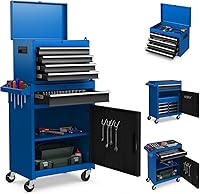
The Ironton 28-Inch 2-Drawer Rolling Tool Cart has twin locking drawers and an internal keyed locking system with 2 keys. Its top also locks, opening to a storage area when unprotected.
This layout may suit a garage where you want a separate open work surface: the top can serve as one when closed. The cart also has an open lower tray, so check how its storage arrangement matches the tools you plan to keep secured.
Does a lock keep drawers shut while moving a chest?
A lock can help keep drawers from sliding open, but the chest must still be moved carefully. Secure the drawers before rolling or carrying it, and follow the maker's directions for loading and movement.
A portable box may use a safety lock to keep drawers from opening while being carried. For example, the Winado 24-Inch 5-Drawer Portable Metal Tool Box has a steel safety lock intended to keep its drawers from sticking out when the box moves.
Its side handles are made for moving the box, and the drawers use ball-bearing slides. Keep the box balanced and avoid lifting it by a drawer handle.
For a rolling chest, lock the casters when you want the cabinet to stay in place. Caster brakes and drawer locks do different jobs: brakes limit wheel movement, while a drawer lock secures drawers.
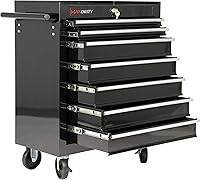
The Winado 4-Drawer Lockable Steel Rolling Tool Cabinet comes with a lock and key, plus 4 wheels, 2 of which lock. That gives you separate ways to secure the drawers and limit the cabinet's movement.
Its flat top can hold tools temporarily while you work. If you often move a loaded cabinet, check its instructions for safe loading and movement, and close the drawers before rolling it.
What does a keyed lock protect against?
A keyed lock can restrict casual access, but it doesn't guarantee that tools will stay safe from theft. Think of it as one layer of security and consider the chest's location and how the whole unit is secured.
For a shared garage or workshop, a keyed lock may help keep drawers closed when you're away. It may also help separate tools from supplies that others can reach.
A lock doesn't make thin panels or the cabinet itself impossible to force open. Keep valuable tools in a more secure space if the risk calls for stronger protection.
Don't store a key in an obvious place beside the chest. If several people need access, decide who will keep the keys and how spare keys will be managed.
The LARBANKE 5-Drawer Rolling Tool Chest includes a lock and 2 keys. Its maker describes the lock as a keyed system, and says one key can operate multiple chests from the same series.
The cabinet also has 5 drawers with liners and a plastic top tray. Its caster brakes help steady it when parked, but they don't secure the drawers or prevent theft.
What should you check before choosing a lockable tool chest?
Match the lock to the job: access control, keeping drawers closed during movement, or both. Then check the drawer layout, where the chest will sit, and whether it is portable or on casters.
Use these questions to narrow your choice:
- What does the key lock? Look for whether it covers every drawer, a group of drawers, or a separate compartment.
- Will you carry or roll the chest? A safety lock that keeps drawers from sliding out can matter when moving it.
- Does it have lockable wheels? Wheel brakes help keep a rolling cabinet in place, but they don't lock the drawers.
- How will you store the key? Decide who needs access and where the spare key will go.
- Will you use the top as a work surface? A locking top compartment may affect how you access tools while working.
If you're weighing cabinet styles, our tool chest buying guide covers size, storage, and other features to compare. For a smaller rolling setup, see our picks for tool chests on wheels.
Can a lock cause a drawer to stick?
A locked drawer won't open until the mechanism is disengaged, and a misaligned latch can also make it feel stuck. Check the key position and avoid yanking the handle.
If the key turns but the drawer stays shut, don't force it or pry at the face. Check whether another drawer is pressing against the locking bar, then try the lock again with the chest level and the drawers closed.
A drawer that sticks even after opening may have a different cause, such as an obstruction or a slide problem. Our guide to tool chest drawers that won't open walks through simple checks.
Keep heavier tools in lower drawers and avoid leaving drawers open while moving the chest. Good tool chest drawer organization can also make it easier to keep weight balanced and find tools without opening several drawers at once.
Which lock style fits your tool storage?
Choose a tool chest with locking drawers based on what you need the lock to do and how you'll use the chest. A portable box with a safety lock suits tools you carry; a rolling cabinet with a key lock and wheel brakes suits a fixed work area.
The Ironton cart combines twin locking drawers with a lockable top. The Winado portable box has a steel safety lock for keeping drawers closed during movement, while the Winado and LARBANKE rolling chests pair keyed drawer locks with lockable casters.
Check which compartments the key secures, where you'll store the keys, and whether the whole chest needs another layer of security. Then compare portable tool chests with drawers if carrying the box matters more than rolling it around the shop.
Frequently asked questions
Do tool chest drawer locks secure every drawer at once?
Some locks secure multiple drawers with one key, while others lock only a particular section. Check the chest's description or instructions for which drawers the key controls, whether the top compartment is included, and how to engage the lock before relying on it.
Do locking drawers stop a tool chest from tipping?
No. A drawer lock does not prevent a loaded chest from tipping.
Close drawers before moving the chest, keep heavy tools in lower drawers, and avoid pulling out several loaded drawers at once.
Follow the manufacturer's instructions for moving and loading the chest.
Can a tool chest lock keep tools safe from theft?
A keyed lock can add a barrier to casual access, but it doesn't guarantee theft protection. Consider where the chest sits, how it is secured, and what you store inside.
For valuable tools, use a locked room or another layer of security too.
What should I do if a locked tool chest drawer won't open?
Confirm the key is fully turned and the lock is disengaged before pulling the drawer. Don't force the handle, which can strain the slides or latch.
If it still sticks, see our guide to tool chest drawers that won't open for simple checks.