Kobalt vs Husky vs Craftsman Tool Chest: Which Is Better? (November 2026)
Husky gives most home garages the best mix of drawer strength and size options, with Kobalt close behind for soft-close drawers and Craftsman the value pick. In the Kobalt vs Husky vs Craftsman tool chest question, drawer load rating and cabinet depth decide more than the badge.
On this page (9 sections)
- Quick verdict: which tool chest brand wins for a home garage?
- Kobalt vs Husky vs Craftsman at a glance
- Which brand builds the strongest drawers?
- Which brand gives you the best size and layout range?
- Which brand fits a small garage or a tight budget?
- Kobalt strengths and trade-offs for a home garage
- Husky strengths and trade-offs for a home garage
- Craftsman strengths and trade-offs for a home garage
- Which brand should you buy for your garage?
Husky gives most home garages the best mix of drawer strength and size options, with Kobalt close behind for soft-close drawers and Craftsman the value pick. The Kobalt vs Husky vs Craftsman tool chest choice comes down to how much weight your drawers will carry and how deep you need them to be.
All three brands sell steel chests with ball-bearing slides. The differences show up in gauge, load rating, drawer depth and how many sizes each line offers.
Our comparison looks at what each brand does well, which garage each one suits, and where the trade-offs land. We checked the specs and the brand lines rather than testing chests in a shop.
| Product | Best for | Voltage | Capacity | Packs | Our score |
|---|---|---|---|---|---|
| Kobalt 24-V 4 Ah Battery 2-Pack | Kobalt 24V tool owners | 24V DC | 4 Ah each | 2 | 9.7 |
| Husky 42-Gallon Contractor Bags | garage cleanout mess | 42 gal | 9.5 | ||
| Opuladuo 10 Inch Pole Saw Chain 2-Pack | Kobalt pole saw upkeep | 9.4 | |||
| Husky Liners Weatherbeater Floor Mats | truck cab protection | 9.2 |
Quick verdict: which tool chest brand wins for a home garage?
Husky wins for most home garages. Its line covers more cabinet widths and drawer layouts than the other two, so you can match a chest to the wall space you actually have.
Kobalt is the pick when you want soft-close drawers and a deeper cabinet for power tools. Craftsman is the pick when the budget is tight and you mostly store hand tools.
Here is how the three land:
- Husky: widest size range and the strongest heavy-duty drawer ratings in its premium lines. Best all-round choice.
- Kobalt: soft-close drawer action and clean cabinet styling. Best when you load up on sockets and impact tools.
- Craftsman: lower price tiers and simple layouts. Best for a first chest or a second box in a small shop.
None of the three is a specialist tool brand in the way a pro box is. These are garage chests built for weekend projects, home repairs and the occasional engine job.
Kobalt vs Husky vs Craftsman at a glance
The brands split along three lines: drawer rating, drawer depth and size range. Husky leads on size range, Kobalt on drawer feel, and Craftsman on entry price.
The table below sums up the practical differences without picking a winner yet. Use it to rule out a brand that fails your space or load needs.
| Feature | Kobalt | Husky | Craftsman |
|---|---|---|---|
| Drawer slides | Ball-bearing, soft-close on many models | Ball-bearing | Ball-bearing |
| Drawer load rating | Mid to heavy | Heavy on premium lines | Light to mid |
| Size range | Mid to wide | Compact to 52 in cabinets | Compact to wide |
| Drawer depth | Deep on many models | Standard to deep | Standard |
| Price tier | Mid | Mid to premium | Budget to mid |
| Best for | Sockets and impact tools | General garage storage | First chest, tight budget |
Read the drawer load rating on the exact model you buy. A brand's best chest and its cheapest chest can differ by hundreds of pounds of drawer capacity.
Which brand builds the strongest drawers?
Husky's heavy-duty lines carry the highest drawer load ratings of the three. That matters when a drawer holds impact sockets, wrenches and a full metric set.
Drawer strength comes from three things: the steel gauge of the drawer, the number of slides and the rated load per drawer. A wide drawer with one thin slide will flex under load even when the cabinet is sturdy.
Kobalt runs close on its heavier models. Its soft-close slides are a comfort feature, but the drawer box behind them is built to a similar mid-to-heavy standard.
Craftsman's budget lines sit a step lower. A drawer full of hand tools is fine, but a drawer stuffed with a socket set and a heavy ratchet will feel the difference when you slide it out.
What drawer load rating should you look for?
Aim for a drawer rated at 100 lb or more if you plan to store sockets and power tools. That rating tells you how much weight the slides are built to carry when the drawer is pulled fully out.
For hand tools and odds and ends, a lighter rating still works. The practical test is simple: add up your heaviest drawer and compare it with the rating before you buy.
Wide drawers carry more total weight even when the per-drawer rating is the same. A 40-inch drawer spreads the load across two slides, so it stays smoother than a narrow drawer with one.
Which brand gives you the best size and layout range?
Husky offers the most widths and drawer combinations. You can start with a compact cart and work up to a wide rolling cabinet without leaving the brand.
Kobalt focuses its range on mid-size cabinets with deeper drawers. That depth is useful for power tools that stand upright and long socket rails.
Craftsman spreads its line from small top boxes to full roller cabinets. The budget end is wider than the other two, which helps when you are outfitting a first garage.
The layout matters more than the count. A chest with several shallow drawers is good for wrenches and screwdrivers; a chest with one deep drawer is good for a drill and charger.
Does drawer depth beat drawer count?
Drawer depth beats drawer count when you store power tools. A deep drawer holds a cordless drill upright with its charger, while the same drill in a 2-inch drawer lies flat and eats space.
Drawer count wins when you store lots of small hand tools and want each category separate. Three shallow drawers can keep wrenches, pliers and screwdrivers apart better than one deep drawer.
Check both on the model you buy. A chest with 8 drawers sounds generous until you find that 6 of them are 2 inches deep.
Which brand fits a small garage or a tight budget?
Craftsman fits a tight budget and a small garage best. Its entry chests cost less and come in compact sizes that fit beside a car or under a workbench.
A small garage needs a chest that leaves room to walk around it. Measure the footprint, then check the drawer travel: a wide drawer needs clearance to slide out without hitting the wall.
Kobalt's mid-size cabinets suit a two-car garage where the chest sits against a wall. Husky's wider cabinets suit a dedicated shop bay or a long wall.
If your space is truly tight, a portable tool chest with drawers may fit better than a full cabinet. Those roll or lift to wherever you are working.
Budget tier and what you give up
A budget Craftsman chest gives up drawer load rating and soft-close action. A mid-tier Kobalt adds soft-close drawers and deeper storage.
A premium Husky adds heavier drawer ratings and wider cabinet options.
The basic job stays the same: holding tools in your garage. Spend on drawer rating first, then depth, then soft-close.
The brand follows from those three choices.
Kobalt strengths and trade-offs for a home garage
Kobalt's main draw is soft-close drawers and deep storage in a clean cabinet. That combination suits anyone storing sockets, impact guns and power tools in one place.
The soft-close slides mean a drawer pushed shut glides in rather than slamming. In a garage next to a house wall, that quiet closing is a real comfort on a late-night job.
The deeper drawers hold socket rails and standing power tools without stacking them flat. For a mechanic's garage, that depth saves reaching past stacked items.
The trade-off is fewer budget sizes. Kobalt leans toward mid-size cabinets, so a very small garage may struggle to fit one beside a car.
If you already own Kobalt 24V cordless tools, the battery platform is a practical bonus. A two-pack like {{product B08MHTX9G5 | Keeps your Kobalt 24V tools running while one pack charges.}} extends a tool set you already have, and the same brand logic applies to the chest.
Who should buy Kobalt?
Buy Kobalt if you want drawers that close softly and hold deep socket sets. It also suits anyone already on the Kobalt 24V battery platform who likes matching a garage to one brand.
Skip Kobalt if your garage is very small and you need a compact cart. Craftsman and Husky both reach smaller sizes more easily.
Husky strengths and trade-offs for a home garage
Husky's main draw is choice: more widths, more drawer layouts and heavier ratings on its premium lines. That range lets you fit a chest to the space instead of fitting the space to the chest.
The wide rolling cabinets hold a lot without turning into a wall of drawers. A 52-inch cabinet gives long tools a home and keeps the top free as a work surface.
The premium lines carry the heavier drawer ratings. If your chest will hold impact sockets and wrenches, that matters more than soft-close action.
The trade-off is price and footprint. A wide cabinet costs more and needs wall space a small garage may not have.
Husky also sells accessories outside the tool chest line. The {{product B000KKKPF0 | 42-gallon contractor bags that swallow packaging and shop debris when you clear out the garage.}} are a natural add-on for the mess a garage project leaves.
If you want to compare Husky against another budget brand, our Husky vs Yukon tool chest breakdown covers the differences.
Who should buy Husky?
Buy Husky if you want the widest size range and the strongest drawer ratings. It suits a dedicated shop bay or a long garage wall where a wide cabinet fits.
Skip Husky if your budget is strict or your garage is small. Its strength sits at the premium end, where the price climbs.
Craftsman strengths and trade-offs for a home garage
Craftsman's main draw is entry price and simple layouts. A first chest or a second box in a small shop does not need soft-close drawers or a 52-inch cabinet.
The budget lines hold hand tools well. Wrenches, screwdrivers, pliers and a hammer each get a drawer without the cabinet flexing under the load.
The simple layouts are easy to plan: fewer drawer sizes means fewer decisions about what goes where. For a beginner setting up a garage, that is a help.
The trade-off is drawer rating. A drawer full of impact sockets and a heavy ratchet will feel the lighter slides when you pull it out.
Craftsman also sells storage systems outside the chest line. Our Craftsman VERSASTACK vs DeWalt TSTAK comparison covers the stackable options if you would rather build up than buy a cabinet.
Who should buy Craftsman?
Buy Craftsman if you are outfitting a first garage on a budget and mostly store hand tools. It also suits a second box for overflow tools in a small shop.
Skip Craftsman if your drawers will hold heavy socket sets or power tools. The lighter drawer rating shows under that load.
Which brand should you buy for your garage?
Buy Husky for most home garages, Kobalt for deep soft-close drawers, and Craftsman for a first chest on a budget. That is the short answer to the Kobalt vs Husky vs Craftsman tool chest question.
The longer answer depends on what your drawers will carry. Heavy sockets and power tools push you toward Husky's premium lines or a Kobalt deep drawer.
Hand tools and light use let a Craftsman chest do the job for less.
Measure your wall space before you choose a brand. A wide cabinet that does not fit is worse than a smaller chest that does.
If you also work on trucks, keeping the cab clean is part of the garage routine. The {{product B07QJCZZSS | Weatherbeater liners that keep mud and spilled oil off the carpet in a Ford Crew Cab.}} are a sensible add-on for anyone hauling tools and scrap.
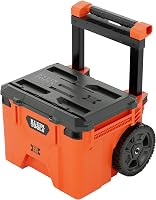
Our Klein MODbox review covers a rolling box for anyone who moves tools between jobs. It sits outside the chest category but solves a similar storage problem.
Pick the brand that matches your load first. Then check the size, the drawer depth and the budget, in that order.
Frequently asked questions
Is Husky or Kobalt better for a home garage tool chest?
Husky is the safer default for most home garages because its chests cover more sizes and drawer layouts. Kobalt is the better pick when you want soft-close drawers and a deeper cabinet for large sockets and power tools.
Are Craftsman tool chests as strong as Husky?
Craftsman chests usually carry a lighter drawer load rating than Husky's heavy-duty lines. For a garage that holds hand tools and the odd power tool, that gap rarely matters, but a chest loaded with impact sockets and wrenches will flex more on a budget frame.
Does drawer depth matter more than drawer count?
Drawer depth matters more for anyone storing power tools, socket sets or long wrenches. A deep top drawer holds a drill and charger upright, while several shallow drawers spread the same load but force you to remove items to reach the back.
Can I mix brands in one garage?
Yes. Chests are freestanding, so a Kobalt cabinet next to a Husky top box works fine as long as the widths line up.
The only mismatch is accessories: drawer dividers and mats are sized to the brand that made the chest.
Which brand has the widest size range?
Husky runs from compact 5-drawer carts to wide 52-inch rolling cabinets. Kobalt covers similar sizes but leans toward soft-close drawer models, and Craftsman offers the most budget-friendly small chests for a first setup.