How to Remove Drawers from a Kobalt Tool Chest
To remove a drawer from a Kobalt tool chest, pull it out until the slides stop, then press the release tab or lever on each side of the drawer. Lift the front edge slightly and pull the drawer straight out. Reverse the steps to refit it, checking that both slides engage evenly.
On this page (9 sections)
- How do you find the drawer release on a Kobalt chest?
- What should you do before pulling the drawer out?
- How do you remove the drawer in four steps?
- How do you put the drawer back in?
- How do you clean and reline a drawer while it's out?
- Which organizers make the most of a removed drawer?
- When should you pull a drawer rather than fix it in place?
- Which tool chest makes drawer removal easy?
- What mistakes should you avoid when removing Kobalt drawers?
To remove drawers from a Kobalt tool chest, empty the drawer, pull it to its stop, and press the release tab or lever on both slides. Lift the front edge slightly and pull straight out.
Refit it level, push until both tabs click, and test the glide before reloading tools.
The whole job takes a minute per drawer once you know where the release is. The steps below cover the release types you'll meet, refitting without jamming a slide, and what to do when a drawer won't budge.
How do you find the drawer release on a Kobalt chest?
Look at the drawer slides near the cabinet front, just behind the drawer face. Most Kobalt drawers use a plastic tab or a metal lever on each slide.
Pressing both tabs at once lets the drawer clear the rail.
Pull the drawer out slowly and watch the slide as it extends. The release sits at the end of the rail, where the drawer meets the cabinet frame.
Some models use a small black tab you squeeze upward; others use a lever you press down.
If the drawer has no tab or lever, it may lift straight out once fully extended. Tilt the front up as the slides clear the cabinet opening.
Never force a drawer past its stop, because that bends the slide lip and makes refitting harder.
Some fixed shelves and small bins in the top section don't remove at all. Check for a release first, and leave the piece in place if there's none.
What should you do before pulling the drawer out?
Empty the drawer first. A loaded drawer is heavy, tips forward when it clears the slides, and can drop tools on your feet.
Set the tools in a tray or on the chest top in the order you'll put them back. A magnetic tray keeps screws and bits from rolling away.
Wear gloves if the drawer holds sharp blades or long drill bits.
Clear the floor in front of the chest so you have room to step back with the drawer. If the chest has a lock bar or drawer lock, release it and slide the bar clear.
Locking bars on rolling chests stop every drawer from sliding during a move.
Check that the chest itself can't roll. Lock the casters if your model has brakes, so the cabinet stays put while you pull.
How do you remove the drawer in four steps?
Pull, press, lift, and slide free is the whole sequence. Keep the drawer level until the last moment so the slides don't bind.
- Pull the drawer out until the slides reach their stop.
- Press the release tab or lever on each side at the same time.
- Lift the front edge a few inches so the drawer clears the cabinet lip.
- Pull the drawer straight out and set it down flat.
If the drawer hangs on one side, the tab on that side isn't fully pressed. Push the drawer back in an inch and try again with both hands on the release points.
Setting the drawer down flat protects the slides from bending under its own weight.
What if the drawer won't come free?
The drawer is usually still on its safety stop. Pull it firmly to the end of its travel before pressing the releases.
The tab often sits behind the drawer face, so reach in with your fingertips.
If it still won't move, check for a bent slide, a screw backed out of the rail, or debris jammed at the end of the track. A small flashlight shows where the slide catches.
Our guide to tool chest drawers that won't open covers stuck slides and lock faults in more detail.
Don't pry the drawer face with a screwdriver. That bends the front panel and can crack the slide mount.
How do you put the drawer back in?
Line up both slides with the cabinet rails and push straight in until the tabs click. Hold the drawer level, because tilting one side drops the slide off its rail.
Slide the drawer in slowly and listen for the click on each side. If one side clicks and the other doesn't, pull it out and start again.
A drawer that goes in crooked wears the rail and starts to stick within a few weeks.
Test the glide with an empty drawer before you reload tools. Push it in and out a few times to check for a rough spot.
A slide that binds needs the drawer pulled and rechecked, not more force.
For a drawer that keeps jumping its rail, look at the slide screws. A loose screw lets the rail sag and the drawer drops off it.
Tighten it before the drawer comes out on its own.
How do you clean and reline a drawer while it's out?
Wipe the drawer and its slides, clear debris from the rails, and replace a torn liner. Removing the drawer is the easiest time to do this, since you can reach the back corners.
Brush sawdust, metal shavings and grit out of the slide tracks with a dry brush. Grit in a ball-bearing slide is the most common reason a drawer starts to feel rough.
A wipe with a damp cloth finishes the job; dry the slides fully before refitting.
If the drawer liner is torn or curling, cut a new piece to size. A non-slip liner keeps sockets and wrenches from sliding when the drawer moves.
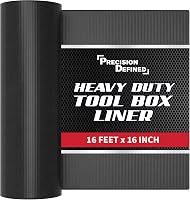
The Precision Defined liner comes as a 16 ft roll that's 16 in wide, with grid lines to help you cut straight.
Measure the drawer's inside base before cutting. A liner that's too wide buckles at the edges and catches on the slides.
Washable liners wipe clean when oil or grease drips.
Which organizers make the most of a removed drawer?
Socket rails and trays keep a drawer's contents in order, so reloading is quicker and the drawer stays easier to pull next time. A tidy drawer also slides more smoothly, because tools stop rolling into the back corners.
The SWANLAKE socket organizer set holds shallow and deep sockets in metric and SAE sizes. Its 238 clips sit on rails you can cut or leave long, and the different colors separate SAE from metric sockets at a glance.
Lay the rails in the drawer base and mark their position before you peel and stick anything. Loading a drawer with sockets close to the front edge keeps weight over the slides, not at the back.
For more layout ideas, see how to organize tool chest drawers so tools stay put.
Wrench drawers benefit from a similar approach. Our guide to how to organize wrenches covers racks and magnetic strips that keep wrenches from sliding into a pile.
When should you pull a drawer rather than fix it in place?
Remove the drawer when you need to reach its back corners, clean the slides or replace the liner. For a jammed drawer, try the release and a firm pull first; pulling it free is also how you check for a bent slide.
A drawer that sticks near the end of its travel often has debris in the rail or a loose screw. Pull it out to see the problem clearly.
If the slide itself is bent or the ball bearings have fallen out, the drawer needs a new slide, not more cleaning.
On a rolling chest, lock the wheels and clear the drawer above the one you're pulling, so nothing tips into the gap. Work one drawer at a time rather than pulling several and leaving the cabinet front-heavy.
Which tool chest makes drawer removal easy?
A chest with plain ball-bearing slides and a locking bar is easiest to work with. Drawers come out with one press per side, and the bar keeps them shut while the chest rolls.
The Goplus 5-Drawer Rolling Tool Chest has five drawers and two trays, and its top box detaches from the rolling cabinet. A locking bar holds the drawers and cabinet door during moves.
Four casters, two with brakes, keep the chest steady while you pull a drawer.
Its EVA drawer padding cushions tools and lifts out for cleaning. The chest arrives mostly assembled, so you attach the wheels and rack before the first drawer comes out.
If you move between jobs, compare portable tool chest options with drawers that lock shut for transport.
What mistakes should you avoid when removing Kobalt drawers?
Never pull a loaded drawer, force one past its stop or pry the face. Those three moves cause most bent slides and cracked drawer fronts.
Pull the drawer to the stop before pressing the releases; forcing it past the stop bends the slide lip. Lift the front edge only enough to clear the cabinet, then keep the drawer level as it slides free.
Refit the drawer before reloading it. Dropping a full drawer onto a half-seated slide bends the rail and makes the drawer stick from then on.
If a slide won't click, stop and recheck the alignment rather than pushing harder.
Clean the rails once a year or after a messy job. Grit is the usual cause of a drawer that suddenly feels rough.
A light wipe and a fresh liner keep the slides gliding.
Once the drawer is back in, organize the contents so weight sits over the slides. That keeps the drawer easy to pull, and the next removal quick when you need to clean it again.
Frequently asked questions
How do I remove a drawer from a Kobalt tool chest?
Pull the drawer out to its stop, then press the release tab or lever on each drawer slide. Lift the front edge slightly and pull the drawer straight out.
Empty it first, since a loaded drawer can tip or drop when it leaves the slides.
Do all Kobalt tool chest drawers come out?
Most Kobalt drawers are made to lift out on ball-bearing slides with a release tab or stop. A few smaller fixed shelves or bins don't remove.
Check the drawer's slides first, and if you see a lever or tab, it's designed to come free.
How do I put a drawer back in a Kobalt tool chest?
Hold the drawer level, line up both slides with the cabinet rails, and push it in until the tabs click. Test the glide before loading it.
If one side binds, pull it back out and check that both rails sit at the same height.
Why won't my Kobalt tool chest drawer come out?
The drawer is usually still on its safety stop, or a release tab is pressed on only one side. Pull it to the stop and press both tabs at once.
A bent slide or debris in the rail also stops the drawer, and our guide to drawers that won't open covers those fixes.
What should I do after removing a drawer?
Wipe the slides, clear sawdust or metal shavings from the rails, and reline the drawer if the old liner is torn. Reinstall the drawer before reloading it, so the slides set in their tracks evenly.
Do this once a year or after a messy job.
Can I remove a drawer while it's full of tools?
Don't. A full drawer is heavy and can tip or drop when it clears the slides.
Move tools to a tray or the top of the chest first, remove the drawer, then reload it after it's seated and gliding smoothly.